For decades, clinical research has guided how new therapies are developed, approved, and brought to patients in need. Yet one of the most critical elements of reliable research is still being refined: diversity among participants. When clinical trials reflect the full range of ages, ethnicities, and genders present in the real world, the outcomes better represent how treatments work for all people, not just a narrow segment of the population. In Lake Worth, Florida, Altus Clinical Research recognizes how vital this inclusivity is and actively works to engage South Florida’s diverse communities in advancing safer, more effective medical treatments for everyone.
Why Representation Matters in Clinical Research
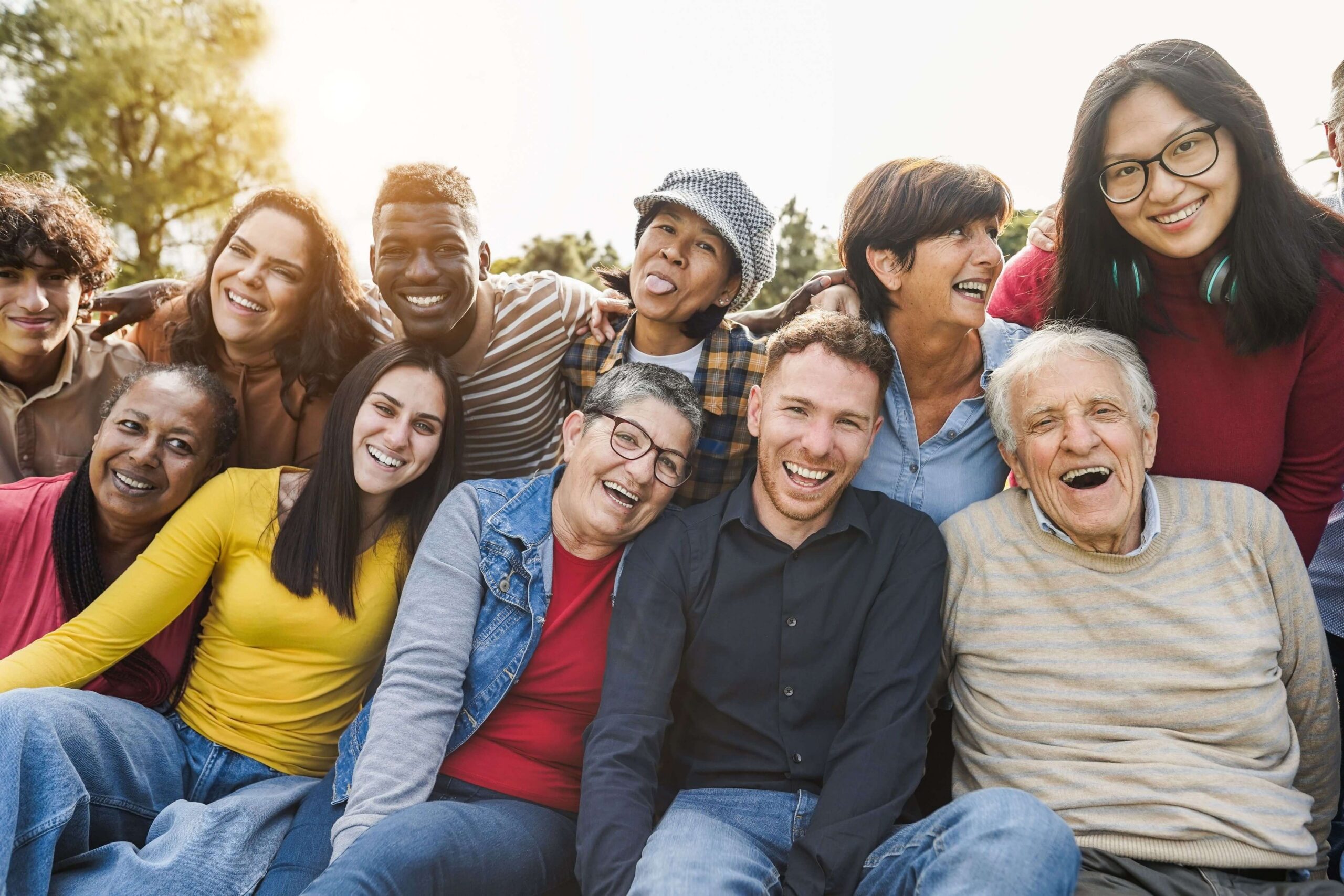
Every person’s body responds to medication in unique ways, influenced by factors such as genetics, age, gender, metabolism, and underlying health conditions. If clinical trials only include certain populations, new drugs and devices may not perform as well once approved for broader use. For example, dosage levels, side effect profiles, or long-term effectiveness can differ significantly among people with different genetic backgrounds. Ensuring that participants reflect the diversity of modern communities allows researchers to understand these variations early, helping doctors deliver the right treatment more safely and efficiently.
Diversity in research is not just about fairness; it is about producing accurate, high-quality data that leads to stronger medical breakthroughs. At Altus Clinical Research, inclusivity is built into every study design. The team’s goal is to ensure participants of all ages, races, and cultural backgrounds have an equal opportunity to take part in studies that shape the future of medicine.
Overcoming Barriers to Participation
While the benefits of representation are clear, barriers to participation have historically limited access for many groups. Common challenges include limited awareness about research opportunities, transportation difficulties, language barriers, and past distrust in the medical system. In a region as culturally rich and multilingual as South Florida, these factors can prevent communities from feeling connected to the research process.
Altus Clinical Research addresses these challenges by promoting accessibility and trust from the start. The Altus team emphasizes clear, respectful communication to help participants feel comfortable asking questions and making informed decisions. Educational outreach and community partnerships help explain how clinical trials work, what safety measures are in place, and how volunteers’ rights are protected throughout the study. By offering support every step of the way, including flexible scheduling and convenient local visits, Altus helps remove barriers that might otherwise prevent someone from participating.
Building Trust Through Local Engagement
Community connection is at the heart of how Altus Clinical Research operates. As an independently owned clinical research site in Lake Worth, the team collaborates closely with local physicians and healthcare providers to ensure patients can participate in research close to home. This model builds confidence and familiarity, which are essential for encouraging participation from diverse groups.
Each study at Altus undergoes strict ethical review and continuous oversight to maintain participant safety and integrity. Volunteers receive clear explanations about the study purpose, potential benefits, and any associated risks before enrolling. This transparency helps participants make informed choices while knowing their care and well-being remain the top priority throughout the process.
By taking these extra steps to build trust, Altus is contributing to a stronger research culture where all voices and backgrounds are valued. This approach ensures that clinical data can accurately represent the broader population and that future treatments truly serve everyone’s needs.
The Benefits of Inclusive Research
When clinical trials include people of different ages, genders, and backgrounds, the benefits extend well beyond the study itself. Diverse data helps researchers understand how treatments may affect distinct populations, leading to more personalized medicine and improved outcomes for future patients. The U.S. Food and Drug Administration (FDA) and other health organizations increasingly encourage diverse enrollment because it speeds up the path from discovery to approval, fewer unexpected side effects appear in later phases, and therapies can be adapted for real-world use more quickly.
For participants, joining an inclusive study offers more than medical oversight. It provides the chance to help their communities by contributing to knowledge that could save or improve lives across generations. Altus Clinical Research empowers participants to see themselves as partners in innovation, not just subjects. Each volunteer plays an essential role in ensuring that future treatments are effective, equitable, and safe for people everywhere.
South Florida’s Role in Shaping Research Equity
South Florida’s diversity makes it an ideal environment for advancing inclusive clinical research. Communities across Palm Beach County and surrounding areas bring a mix of age groups, ethnicities, languages, and health experiences, all of which enrich the understanding of how new therapies perform. By conducting research within this setting, Altus Clinical Research helps bridge the gap between laboratory findings and real-world outcomes.
The insights gained from these studies guide global medical progress while directly benefiting the local population. When trials reflect the area’s unique cultural mix, the discoveries made are more relevant and immediately applicable to the patients who live here.
Taking the First Step Toward Change
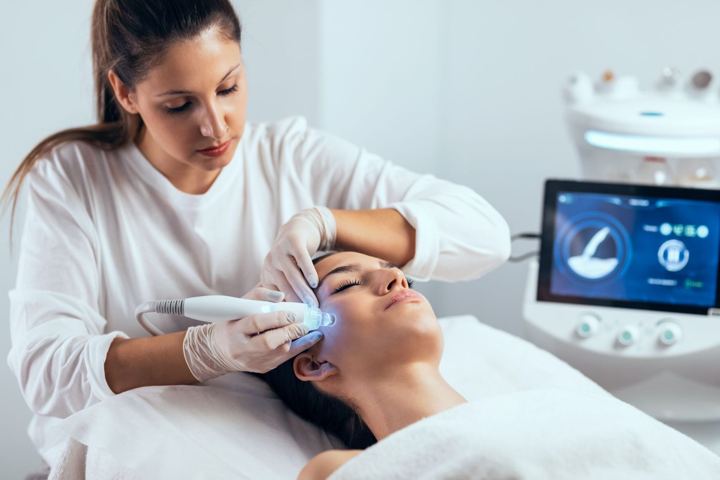
Diversity in clinical research is not just a goal; it is a necessity for building a more effective, inclusive healthcare future. Every person who volunteers for a study contributes to this mission by helping develop treatments that consider all aspects of human difference. Whether you are interested in mental health trials, dermatology research, or other areas of study, your participation can make a meaningful impact.
If you are interested in learning more about current studies or speaking with a member of the research team, visit the Altus Clinical Research contact page. The Altus team welcomes individuals from all backgrounds to explore opportunities, ask questions, and take part in advancing medicine built on understanding, equity, and respect.