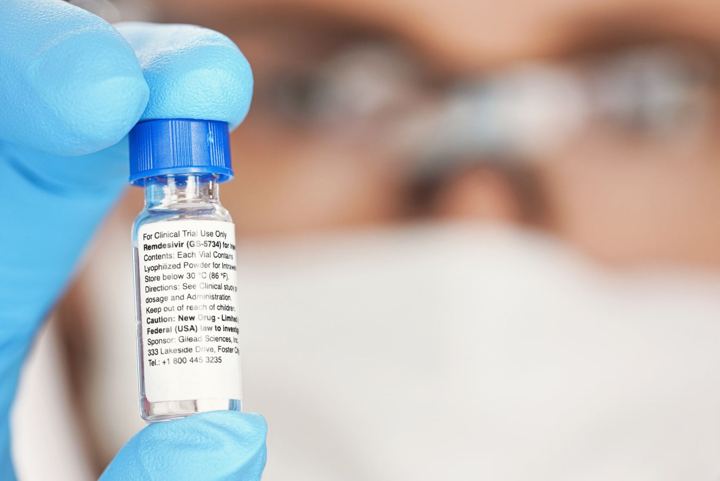
If you have ever considered joining a clinical trial, you may have wondered: What if I get a placebo instead of the real treatment? It is one of the most common concerns among potential volunteers, and it is a completely valid question. Understanding how placebos work, when they are used, and why they matter can help you make a confident, informed decision about participating in research. At Altus Clinical Research in Lake Worth, Florida, we believe transparency is essential to building trust with every person who walks through our doors.
What Exactly Is a Placebo?
A placebo is an inactive substance or treatment that looks identical to the actual treatment being tested but contains no active medical ingredients. It might be a sugar pill, a saline injection, or any other form that mirrors the real thing without producing a direct medical effect.
Placebos have been used in clinical research for decades because they help scientists measure the true effect of a new treatment. When researchers compare results between participants who received the active drug and those who received the placebo, they can determine how much of the improvement is due to the treatment itself versus other factors, such as the natural course of an illness or the simple act of receiving care.
Why Are Placebos Used in Clinical Trials?
The use of placebos is rooted in scientific rigor. Human psychology is powerful, and people sometimes feel better simply because they believe they are receiving treatment. This is known as the placebo effect. To account for this, researchers use controlled trials where some participants receive the active treatment, and others receive the placebo, often without knowing which group they are in.
This design, called a randomized controlled trial, is considered the gold standard in medical research because it removes bias from the results. The data produced is more reliable, which means the findings are more likely to benefit future patients. As we explored in our post on the journey from lab to treatment, every step in this process is designed to ensure that only safe and effective treatments make it to the public.
Will You Always Receive a Placebo?
Not necessarily. The use of placebos depends entirely on the study design. Many trials compare a new treatment to an existing standard of care rather than to a placebo. In those cases, all participants receive an active treatment, one group receives the new therapy and the other receives the currently accepted option.
When placebos are used, the study protocol determines the probability of receiving one. In many trials, participants have a greater chance of receiving the active treatment than the placebo. Before you enroll in any study at Altus Clinical Research, you will always be informed of the study design, including whether a placebo is involved and what your chances are of receiving it. This is a core part of the informed consent process, which protects your rights as a volunteer every step of the way.
Are There Risks to Receiving a Placebo?
One of the most reassuring things to understand is that receiving a placebo does not mean you will be left without care. In trials where a placebo is used, participant safety is monitored continuously. If your condition worsens or you experience new symptoms, the research team is required to intervene and provide appropriate medical attention.
Additionally, if an effective treatment already exists for your condition, ethical guidelines typically prohibit the use of a placebo-only control group. Researchers are not permitted to withhold proven care simply to conduct a study. The ethics of medical research are governed by strict oversight boards that review every study design before a single participant is enrolled.
What Happens If You Get a Placebo?
If you receive a placebo during a study, you still benefit from the experience in meaningful ways. You receive regular health monitoring, professional medical oversight, and access to a team that is tracking your well-being closely throughout the trial. Many participants find that the level of attention they receive during a clinical trial exceeds what they experience in standard medical care.
In some studies, participants who received the placebo are given the option to receive the active treatment after the trial concludes, particularly if the new therapy proved effective. This is another way that research teams prioritize the well-being of everyone involved.
As we outlined in our post on what to expect when you join a research study, participants are never left in the dark. You will know what the study involves, how long it lasts, and what your options are at every stage.
Blinding: Why You May Not Know Which Group You Are In
In many placebo-controlled trials, participants do not know whether they received the active treatment or the placebo. This is called a “blinded” study. In a double-blind study, neither the participant nor the research team administering the treatment knows which group each person is in, this information is only known to a separate data team.
Blinding is not about keeping secrets. It is a scientific safeguard that ensures responses are not influenced by expectations. The results of a well-blinded study are far more trustworthy and carry more weight when submitted for regulatory review. This is why diverse and well-designed trials, like those conducted at Altus, are so important to advancing medicine, something we discussed in depth in our post on how diversity in clinical trials strengthens future treatments.
Your Rights as a Participant Always Come First
Regardless of whether a study uses a placebo, your rights and safety are the top priority at Altus Clinical Research. You always have the right to withdraw from a study at any time without penalty. You will never be pressured to remain in a trial that does not feel right for you, and you will always receive clear answers to any questions you have before, during, and after the study.
Our team takes great care to explain every aspect of a study before you sign up. If you want to better understand how to evaluate whether a particular trial is right for you, our guide on how to know if you should participate in a clinical trial is a great place to start.
Ready to Learn More?
Placebos are a normal and important part of clinical research, not something to fear. When used appropriately, they help produce the most accurate data possible, data that eventually shapes the treatments available to patients everywhere. Understanding this can transform the way you think about participating in a study.
If you are curious about currently enrolling studies at Altus Clinical Research or want to speak with a member of our team about what participation involves, visit our contact page. We welcome individuals from all backgrounds to explore how they can play a meaningful role in advancing medicine for everyone.